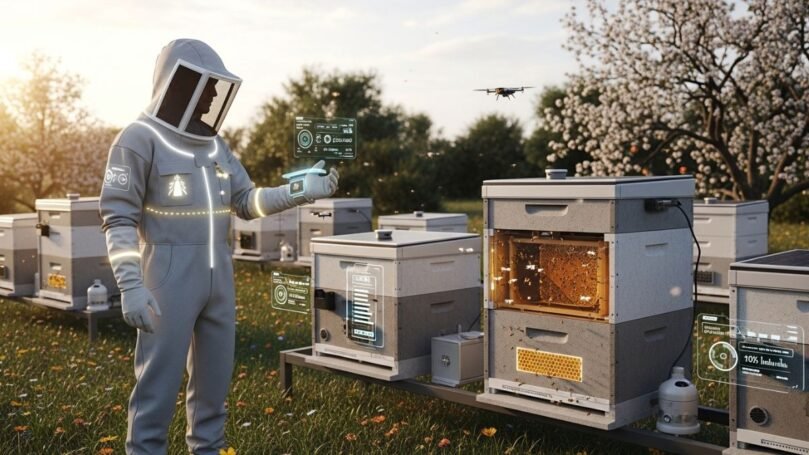
The concept of beekeeper 2.0 represents a new generation of beekeeping that blends traditional hive management with modern technology and sustainable practices. As global awareness of environmental issues increases, the role of bees in pollination and ecosystem balance has become more important than ever. This shift has encouraged the rise of beekeeper 2.0, a smarter and more efficient approach to caring for bees.
In the past, beekeeping relied mainly on manual observation and traditional techniques. While those methods are still valuable, beekeeper 2.0 introduces innovative tools such as digital monitoring systems, smart hive sensors, and data-driven management strategies. These improvements help beekeepers better understand hive health, temperature, humidity, and honey production.
Today, the idea of beekeeper 2.0 is gaining attention among hobbyists, professional apiarists, and environmental advocates. By combining knowledge, technology, and sustainability, beekeeper 2.0 helps protect bee populations while improving productivity and efficiency in modern beekeeping.
What Is Beekeeper 2.0
The term beekeeper 2.0 refers to the modern evolution of traditional beekeeping practices. It emphasizes the integration of advanced technology with environmentally responsible hive management. A beekeeper 2.0 uses digital tools, smart monitoring devices, and innovative strategies to ensure healthier bee colonies and higher honey yields.
Unlike traditional beekeeping, which relies heavily on physical hive inspections, beekeeper 2.0 systems allow beekeepers to monitor hive conditions remotely. Sensors can track internal hive temperature, humidity, and bee activity in real time. This information helps a beekeeper 2.0 identify potential problems early and take preventive action.
By embracing technology and sustainable methods, the beekeeper 2.0 model represents a modern approach that supports both environmental protection and agricultural productivity.
Key Features of Beekeeper 2.0
The success of beekeeper 2.0 depends on several advanced features that make hive management easier and more effective. These innovations help improve colony health and honey production.
| Feature | Description | Benefit |
|---|---|---|
| Smart Hive Sensors | Devices that monitor hive conditions | Real-time data monitoring |
| Remote Management | Access hive data through mobile or computer | Convenient hive control |
| Data Analytics | Software that analyzes hive activity | Better decision-making |
| Sustainable Practices | Eco-friendly hive management methods | Protects bee populations |
| Automated Alerts | Notifications about hive changes | Early problem detection |
These features show how beekeeper 2.0 combines technology and sustainability to transform traditional beekeeping.
The Importance of Beekeeper 2.0 in Modern Agriculture
The role of beekeeper 2.0 extends beyond honey production. Bees are responsible for pollinating many crops that humans depend on for food. Without healthy bee populations, agricultural productivity could decline significantly.
A beekeeper 2.0 focuses on maintaining strong colonies that contribute to ecosystem balance and crop pollination. By using monitoring tools and scientific insights, modern beekeepers can prevent disease outbreaks and protect bee health more effectively.
Another important aspect of beekeeper 2.0 is environmental awareness. Sustainable hive practices help ensure that bees thrive even as climate conditions and agricultural landscapes change.
Technology Used by Beekeeper 2.0
Technology plays a central role in the beekeeper 2.0 approach. Several innovative tools help modern beekeepers manage colonies with greater precision and efficiency.
Smart Hive Monitoring in Beekeeper 2.0
Smart hive systems are one of the most important technologies used by beekeepers 2.0 professionals. These devices collect real-time information about hive conditions, including temperature, humidity, and movement patterns.
Mobile Applications for Beekeeper 2.0
Mobile applications allow a beekeepers 2.0 to monitor hive data remotely. Instead of visiting each hive daily, beekeepers can check colony status from their smartphones or computers.
Data Analytics and Predictive Insights
Data analytics tools help beekeeper 2.0 professionals analyze patterns in hive activity. By studying this information, beekeepers can predict honey production levels and detect potential problems early.
The table below summarizes key technologies used in beekeeper s2.0.
| Technology | Function | Advantage |
|---|---|---|
| Hive Sensors | Monitor internal conditions | Improved colony health |
| Mobile Apps | Remote hive monitoring | Greater convenience |
| Data Platforms | Analyze hive data | Smarter management |
| GPS Tracking | Monitor hive location | Protects against hive theft |
Benefits of Beekeeper 2.0
The beekeepers 2.0 model offers many benefits that improve both productivity and environmental sustainability.
Increased Honey Production with Beekeeper 2.0
One major advantage of beekeepers 2.0 is improved honey production. With accurate monitoring and data-driven decisions, beekeepers can maintain optimal hive conditions that support strong honey yields.
Healthier Bee Colonies
A beekeepers 2.0 can detect changes in hive behavior quickly through digital monitoring systems. This allows early intervention when issues such as disease or temperature imbalance occur.
Greater Efficiency in Hive Management
Traditional beekeeping requires frequent hive inspections, which can disturb the colony. The beekeepers 2.0 approach reduces unnecessary hive openings by providing real-time digital insights.
Challenges Faced by Beekeeper 2.0
Despite its advantages, the beekeeper 2.0 model also faces certain challenges. Adopting new technology requires financial investment and technical knowledge.
Some beekeepers may find it difficult to transition from traditional methods to the digital tools used by beekeepers 2.0 systems. Learning how to interpret data and manage smart devices can take time.
Another challenge is maintaining reliable technology in remote locations where many beehives are placed. However, ongoing improvements in connectivity and solar-powered devices are helping solve these issues.
Comparing Traditional Beekeeping and Beekeeper 2.0
Understanding the differences between traditional practices and the beekeepers 2.0 model helps illustrate how modern innovations improve beekeeping.
| Aspect | Traditional Beekeeping | Beekeeper 2.0 |
|---|---|---|
| Monitoring | Manual inspections | Digital monitoring |
| Data Collection | Limited observation | Real-time analytics |
| Efficiency | Time-consuming | Automated alerts |
| Sustainability | Basic environmental awareness | Advanced eco-friendly strategies |
| Productivity | Variable results | Data-driven optimization |
This comparison highlights how beekeepers 2.0 enhances traditional beekeeping practices.
The Future of Beekeeper 2.0
The future of beekeepers 2.0 looks promising as technology continues to advance. Innovations such as artificial intelligence, machine learning, and automated hive systems may soon become common tools in beekeeping.
Researchers are also exploring ways to integrate climate monitoring with hive management. This would allow beekeeper 2.0 professionals to adjust hive conditions based on weather patterns and seasonal changes.
Another exciting development is the potential use of drone technology to monitor apiaries in remote areas. These tools could help beekeeper 2.0 professionals inspect large numbers of hives quickly and efficiently.
As global awareness of pollinator conservation grows, the role of beekeepers 2.0 will likely become even more important.
Why Beekeeper 2.0 Matters for the Environment
The environmental impact of beekeepers 2.0 extends beyond individual hives. Healthy bee colonies contribute to biodiversity and support ecosystems that depend on pollination.
By using sustainable practices and advanced monitoring systems, a beekeepers 2.0 can help reduce threats to bee populations. This includes minimizing pesticide exposure, monitoring diseases, and maintaining optimal hive conditions.
Protecting bees is essential for maintaining the balance of natural ecosystems. The beekeeper 2.0 approach plays a critical role in ensuring that future generations continue to benefit from healthy pollinator populations.
Conclusion
The concept of beekeeper 2.0 represents a modern transformation in the world of beekeeping. By combining traditional knowledge with advanced technology, this approach allows beekeepers to manage colonies more effectively and sustainably.
Through smart hive sensors, digital monitoring systems, and data-driven strategies, beekeepers 2.0 offers a powerful solution for protecting bees and improving honey production. These innovations not only enhance efficiency but also contribute to environmental conservation.
As technology continues to evolve and awareness of pollinator importance grows, the beekeepers 2.0 model will likely become a central part of modern agriculture and ecological sustainability.