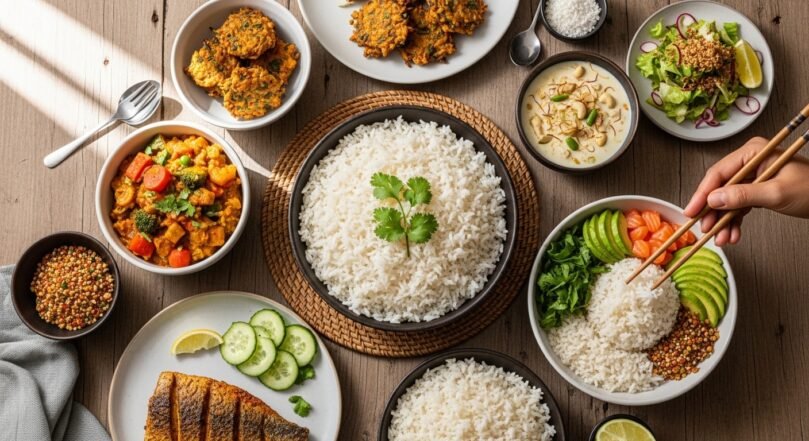
In the world of grains and traditional foods, banskathi rice is gaining attention for its unique qualities, nutritional value, and cultural importance. Known for its distinctive texture and rich taste, banskathi rice is more than just a staple food—it represents tradition, health, and versatility in cooking.
Whether you are a food enthusiast, a home cook, or someone exploring healthier grain options, understanding banskathi rice can help you make better dietary choices and enjoy flavorful meals.
Banskathi Rice and Its Core Meaning
The term banskathi rice refers to a specific variety of rice known for its natural growth, traditional cultivation methods, and unique grain structure. It is often associated with regions where farming practices focus on quality rather than mass production.
Banskathi rice is valued for its purity and minimal processing, which helps preserve its natural nutrients.
Another important aspect of banskathi rice is its adaptability in cooking, making it suitable for a wide range of dishes.
Why Banskathi Rice Is Important in Modern Diets
The importance of banskathi rice is increasing as people shift toward healthier and more natural food options. It offers a balance between taste and nutrition.
Some key reasons why banskathi rice is important include:
- Rich nutritional content
- Natural cultivation methods
- Versatility in cooking
- Better digestibility
These factors make banskathi rice a preferred choice for many households.
Nutritional Value of Banskathi Rice
Understanding the nutritional profile of banskathi rice helps highlight its health benefits.
Nutritional Table
| Nutrient | Value |
|---|---|
| Carbohydrates | High energy source |
| Protein | Moderate amount |
| Fiber | Supports digestion |
| Vitamins | Essential nutrients |
| Minerals | Promotes overall health |
This balanced composition makes banskathi rice a healthy dietary option.
Banskathi Rice and Health Benefits
The health benefits of banskathi rice are one of its strongest advantages. It supports overall well-being when included in a balanced diet.
Some key benefits include:
- Provides sustained energy
- Improves digestion
- Supports heart health
- Helps maintain a healthy weight
Health Benefits Table
| Benefit | Explanation |
|---|---|
| Energy | Long-lasting fuel |
| Digestion | High fiber content |
| Heart Health | Balanced nutrients |
| Weight Management | Keeps you full longer |
These benefits make banskathi rices suitable for daily consumption.
Banskathi Rice in Traditional Cooking
Traditional cooking methods highlight the versatility of banskathi rices. It can be used in various dishes depending on regional preferences.
Common uses include:
- Steamed rice dishes
- Rice-based desserts
- Traditional meals
- Festival foods
Cooking Uses Table
| Dish Type | Example Use |
|---|---|
| Main Course | Steamed rice |
| Side Dish | Flavored rice |
| Dessert | Sweet rice |
| Special Meals | Festive dishes |
This versatility makes banskathi rices a staple ingredient.
Banskathi Rice and Modern Culinary Trends
Modern cooking trends are embracing banskathi rices due to its natural and healthy qualities. It fits well into contemporary diets that focus on clean eating.
It is often used in:
- Healthy meal plans
- Organic food recipes
- Diet-friendly dishes
- Fusion cuisine
This shows how traditional foods can adapt to modern needs.
Cultivation of Banskathi Rice
The cultivation process of banskathi rices plays a key role in its quality. Farmers often use traditional methods that focus on sustainability.
Cultivation Table
| Aspect | Description |
|---|---|
| Soil | Fertile and natural |
| Water | Controlled irrigation |
| Methods | Traditional farming |
| Harvesting | Manual or careful methods |
These practices ensure high-quality rice production.
Banskathi Rice and Sustainability
Sustainability is an important factor in modern agriculture, and banskathi rices supports eco-friendly practices.
It promotes:
- Reduced chemical use
- Soil health preservation
- Water conservation
- Biodiversity
This makes it a responsible food choice.
Storage and Preservation of Banskathi Rice
Proper storage of banskathi rices is essential to maintain its quality and freshness.
Key tips include:
- Store in a cool, dry place
- Use airtight containers
- Avoid moisture exposure
- Keep away from direct sunlight
Storage Table
| Method | Benefit |
|---|---|
| Airtight Containers | Prevents spoilage |
| Cool Storage | Maintains freshness |
| Dry Environment | Avoids damage |
| Proper Handling | Extends shelf life |
These methods ensure long-lasting quality.
Banskathi Rice and Market Demand
The demand for banskathi rices is growing as consumers become more health-conscious. It is gaining popularity in both local and global markets.
Factors driving demand include:
- Health awareness
- Preference for natural foods
- Interest in traditional grains
- Culinary versatility
This trend indicates strong future potential.
Challenges of Banskathi Rice Production
Despite its benefits, banskathi rices production faces some challenges.
Common challenges include:
- Limited production scale
- Dependence on weather conditions
- Higher cost compared to regular rice
- Lack of awareness
Challenges Table
| Challenge | Solution |
|---|---|
| Limited supply | Expand farming |
| Weather impact | Use improved techniques |
| Cost | Increase efficiency |
| Awareness | Promote benefits |
Addressing these challenges can improve availability.
Banskathi Rice in Daily Diet
Including banskathi rices in daily meals can provide both nutrition and flavor. It can be paired with vegetables, proteins, and spices to create balanced dishes.
It is suitable for:
- Lunch and dinner meals
- Healthy diet plans
- Traditional recipes
- Modern cuisine
This flexibility makes it easy to incorporate into everyday life.
Final Thoughts
In conclusion, banskathi rice is a valuable grain that combines tradition, nutrition, and versatility. Its natural cultivation, health benefits, and wide range of uses make it an excellent choice for modern diets.
As awareness grows, banskathi rices is likely to become more popular among health-conscious consumers. By including it in your meals, you can enjoy both taste and nutritional value.
Its role in sustainable agriculture and traditional cooking further adds to its importance in today’s world.